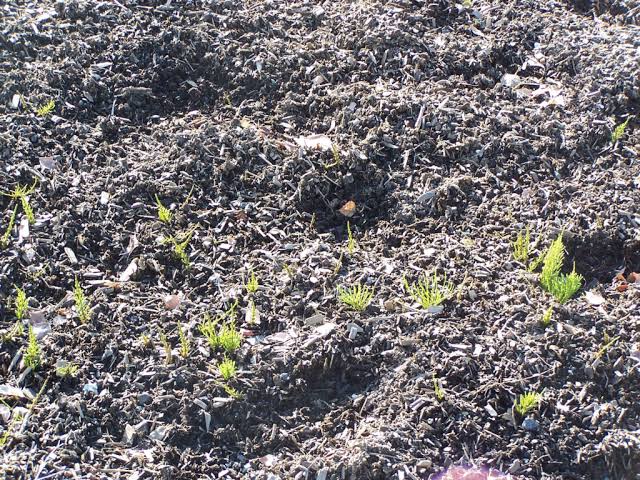
Wood chip mulch is the most useful and most misused material in Australian gardens. Used properly it cuts watering, suppresses weeds, moderates soil temperature and slowly builds soil structure. Used badly it kills the plants it was meant to protect. The difference comes down to a handful of details.
What Wood Chip Mulch Actually Is
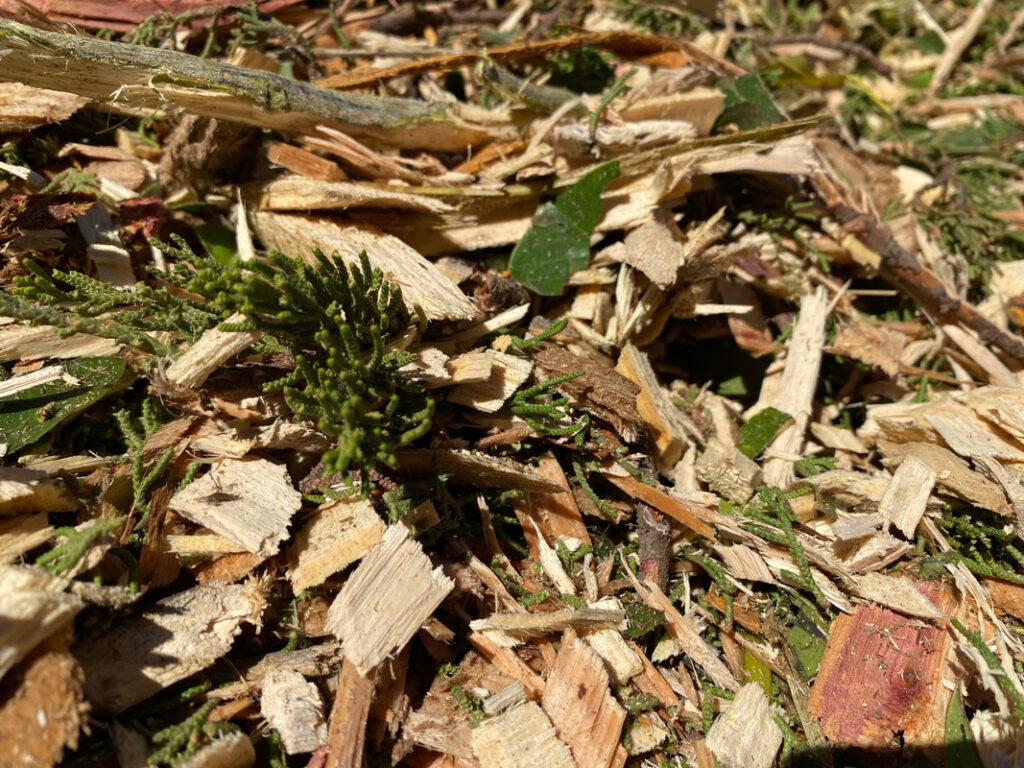
True arborist wood chip is whole-tree material: a mix of wood, bark, twigs and green leaf, run through a chipper on site during tree work. That mix matters. The leafy green fraction supplies nitrogen and breaks down quickly, while the woody fraction persists and provides long-term structure.
This is different from what you buy in bags at a hardware store. Pine bark and bark chips are bark only, with no leaf, so they last longer but feed the soil less. Dyed black or red chips are usually recycled timber coloured with iron oxide, chosen purely for appearance. Forest mulch and garden mulch are blended screened products, generally aged and consistent in size.
What It Does For Your Soil
Moisture. A properly mulched bed can cut evaporation from the soil surface by half or more. In a Sydney summer that is the difference between watering twice a week and watering fortnightly.
Weeds. A 75mm to 100mm layer blocks the light most annual weed seeds need to germinate. It does not stop established perennial weeds, so clear those first.
Temperature. Mulch buffers soil temperature swings, which protects shallow feeder roots during heatwaves and cold snaps.
Soil life. As chip breaks down at the soil interface it feeds fungi, bacteria and earthworms, gradually improving structure, water infiltration and nutrient cycling.
Erosion. On sloping beds, coarse chip holds soil in place through heavy rain far better than fine material.
The Nitrogen Myth, Settled
The most persistent objection to wood chip is that it steals nitrogen from plants. It is half true and mostly irrelevant.
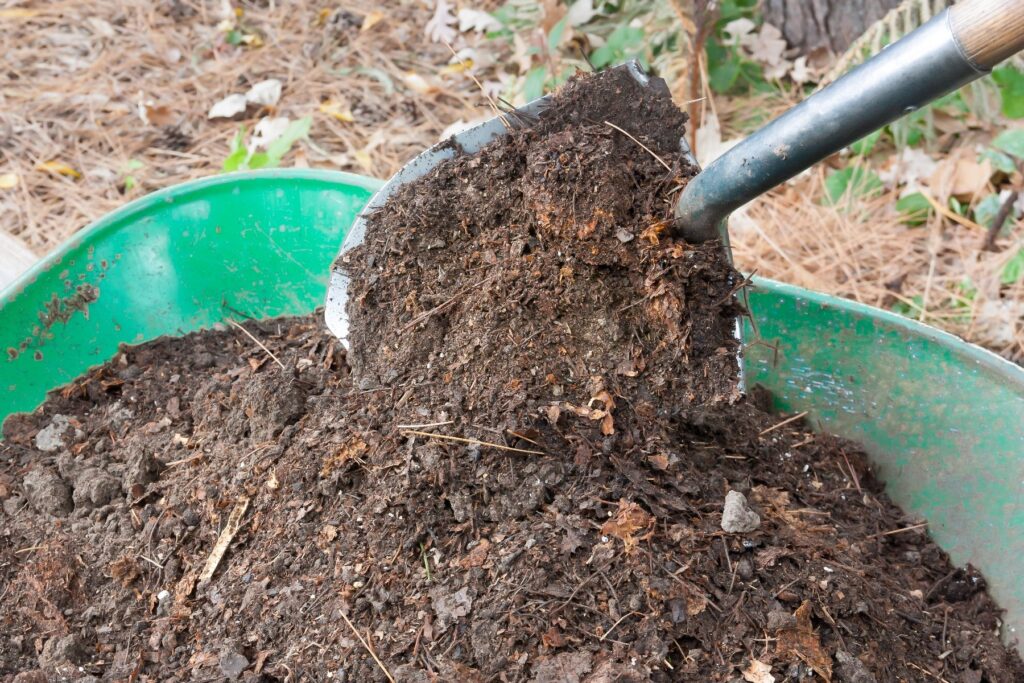
Microbes decomposing high-carbon wood do draw nitrogen from their immediate surroundings. But that only happens where the wood is in contact with soil, which is the bottom few millimetres of a surface mulch layer. Established plants with roots below that interface are unaffected. Countless long-term garden observations confirm this.
The real problem cases are two: digging fresh chip into the soil rather than laying it on top, and mulching directly around seedlings and shallow-rooted annuals or new turf. Avoid both and the nitrogen issue disappears.
How to Apply It Properly
- Weed thoroughly first, including root systems of perennial weeds.
- Water the soil before mulching. Mulch over dry soil keeps it dry.
- Lay 75mm to 100mm on garden beds, up to 150mm on paths.
- Keep mulch clear of trunks and stems. A mulch volcano piled against a trunk holds moisture against the bark and causes collar rot. Leave a bare ring of 100mm to 150mm around the base.
- Keep mulch below the top of edging and away from weep holes and cladding.
- Top up annually as it breaks down. Do not remove the old layer.
Where Not to Use It
Avoid wood chip in vegetable seedbeds, on lawns, in cactus and succulent beds where it holds too much moisture, and in bushfire-prone zones immediately adjacent to a house where a fine flammable layer against cladding is a genuine risk. Also avoid it where you need a hard, clean surface such as around a pool coping.
Where to Get It Free or Cheap
Arborist chip is the best value mulch in Australia because tree crews pay tip fees to dispose of it. A load dropped at your place saves them money, so many will deliver free or for a nominal fee. Ring local tree companies, ask to be added to their drop list, and accept that you get what species they were working on that day. Expect a full truck load, roughly six to ten cubic metres, so have somewhere to put it.
Bought in bulk, expect $35 to $70 a cubic metre for forest mulch or garden mulch, $60 to $110 for pine bark, delivered.
Rules About Recycled Mulch
If you are buying commercially processed mulch made from recycled garden organics, it falls under the NSW resource recovery framework. The EPA sets requirements suppliers must meet through the pasteurised garden organics order, which covers pasteurisation to destroy weed seeds and pathogens along with contaminant limits. Pasteurised product is worth paying for if weed seed is a concern, particularly for a new garden.
Why Mulching Is Worth the Effort
Beyond your own garden, keeping organic material in the soil rather than in landfill matters. The NSW EPA notes that food and garden organics are a valuable commodity full of energy and nutrients, and encourages recycling food and garden waste at home precisely because organics sent to landfill generate methane rather than feeding soil. Mulching is the simplest form of that loop closing.
Bottom Line
Use whole-tree arborist chip if you can get it. Lay it 75mm to 100mm deep, on damp weed-free soil, kept clear of trunks. Ignore the nitrogen scare for surface application, but never dig fresh chip in. And get on a local tree crew drop list, because the best mulch in the country is the stuff they are paying to get rid of.