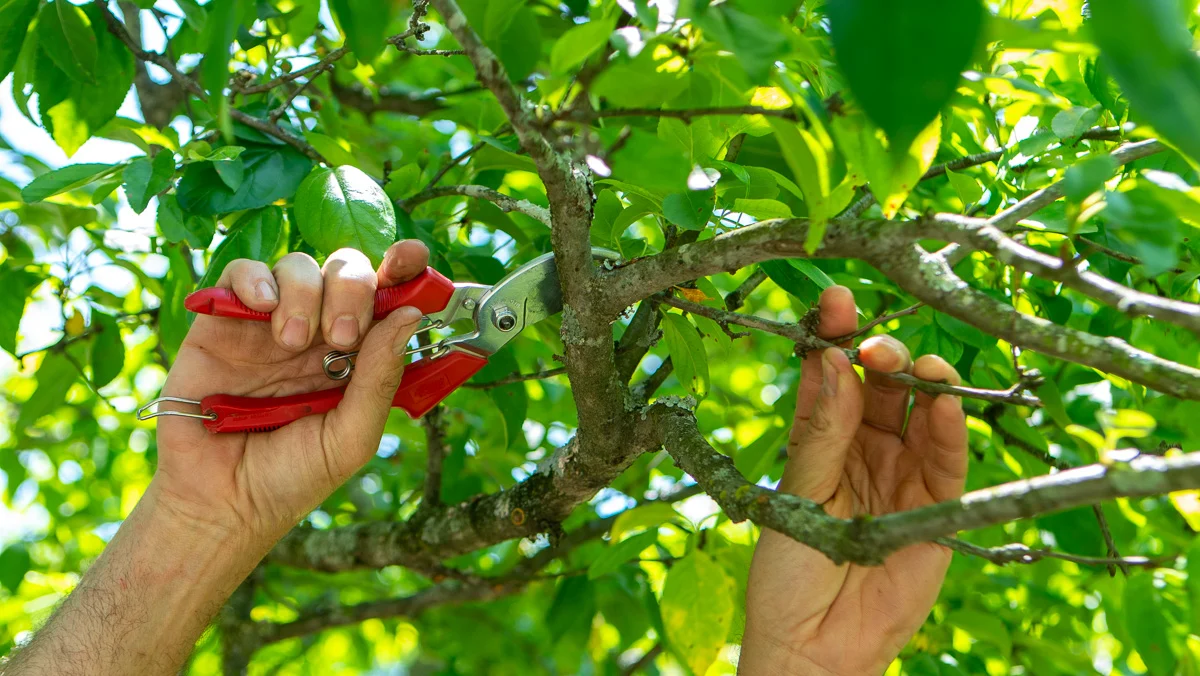
The gap between the best and worst tree contractors in Sydney is wider than in almost any other trade, because the barrier to entry is a ute and a chainsaw while the consequences of incompetence include a limb through a roof. There is no single licence that separates the two groups, which means the vetting falls to you. Fortunately every check that matters can be done from a phone in about fifteen minutes, and most cowboys fail the first one.
This article sets out the credentials that actually mean something, the ones that mean nothing, the questions that produce useful answers, and the warning signs that should end a conversation.
Lopper, arborist, tree surgeon: what the titles mean
None of these words is legally protected in New South Wales. “Tree loppers” is generic and says nothing about training. “Tree surgeon” is a marketing term. “Arborist” implies formal qualification but is used loosely, so treat it as a claim to be verified rather than a fact. The only reliable signal is the qualification itself, graded under the Australian Qualifications Framework. Level 3 covers practical tree work: climbing, rigging, felling and pruning to standard. Level 5 is the consulting tier for tree reports, risk assessment and development advice. Several Sydney councils will only accept reports from a Level 5 assessor, which is a useful indication of how seriously the distinction is taken.
Credential one: the qualification
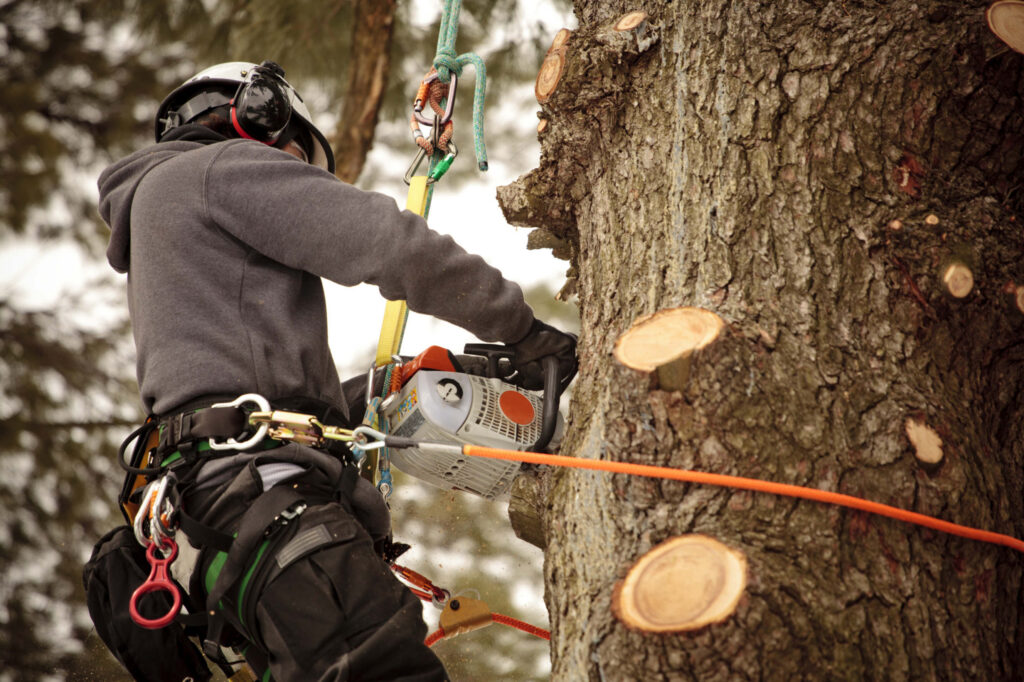
Ask which qualification each person on site holds, where they obtained it and in what year. TAFE NSW is the primary provider in this state and its arboriculture qualifications are the common benchmark. A competent operator will answer immediately and often volunteer additional tickets: elevated work platform, chainsaw operation, traffic control, working at heights, first aid. Vagueness here is diagnostic. “We’ve been doing this twenty years” is experience, not qualification, and the two are not interchangeable when an insurer reviews a claim.
Credential two: insurance that actually covers the work
Two policies matter. Public liability, commonly $10 million or $20 million for tree work, covers damage to your property and to third parties. Workers compensation covers injury to their crew on your land; without it, an injured worker’s claim can find its way to the property owner. Ask for certificates of currency, check the expiry dates, and check that the insured entity name matches the business quoting you. New South Wales workers compensation is regulated by the State Insurance Regulatory Authority, and workplace safety duties for high-risk tree work sit with SafeWork NSW.
Credential three: a real business behind the quote
Verify the ABN on the Australian Business Register. Confirm the entity is active, check the registration date against the “25 years in business” on the flyer, and confirm GST registration if GST appears on the quote. For companies, the register maintained by the Australian Securities and Investments Commission shows the corporate entity and its status. If the trading name, the ABN holder and the name on the invoice are three different things, ask why before paying anything.
Credential four: knowledge of the local rules
A contractor who works your area constantly will know without hesitation whether your tree is protected, what your council’s threshold is, and whether an exemption applies. They will also know that pruning often needs the same permit as removal. If they wave away the question of council consent, they are either inexperienced or planning to let you carry the risk. Applications are lodged through the NSW Planning Portal, and the state framework is SEPP (Biodiversity and Conservation) 2021.
Questions worth asking
- Which AQF qualification does the climber hold, and which the person writing the quote?
- Can you email current public liability and workers compensation certificates today?
- Which AS 4373 pruning type applies, and what percentage of live crown comes off?
- Who lodges the council application, and is the fee inside or outside your price?
- What happens to the timber and chip, and where is it taken?
- Two addresses in this suburb from the last three months?
- What protection goes over the lawn, paving, pool and fence line?
Warning signs
Door-knocking after a storm with a price that expires today. Cash-only, deposit-heavy payment terms. No written scope. No signage or ABN on the vehicle. A recommendation to “top” a healthy tree. Reluctance to discuss permits. Quotes dramatically below the field, which almost always means uninsured labour or dumping rather than lawful disposal. Consumer protections in New South Wales are administered by NSW Fair Trading, and it is worth knowing that before you hand over a deposit rather than after.
Comparing quotes properly
Get three, and put them side by side on scope rather than on total. Confirm each includes debris removal, stump treatment, site protection, permit handling, traffic management where needed, and clean-up. A $2,400 quote that covers all of it beats a $1,600 quote that leaves you with a stump, a pile of timber and an unlodged application. Ask for the sequence and duration too, since access to your driveway for two days has a cost of its own.
After you choose
Get the final scope in writing with a start date, confirm the permit is approved before the saws arrive, walk the site with the crew leader on the morning, agree in writing what happens if additional work is discovered mid-job, and photograph the site before and after. Pay a reasonable deposit at most, with the balance on completion. Contractors who pass all of this tend to be worth keeping: tree work is cyclical, and having a qualified crew who already knows your trees is worth more than shopping the job every time.