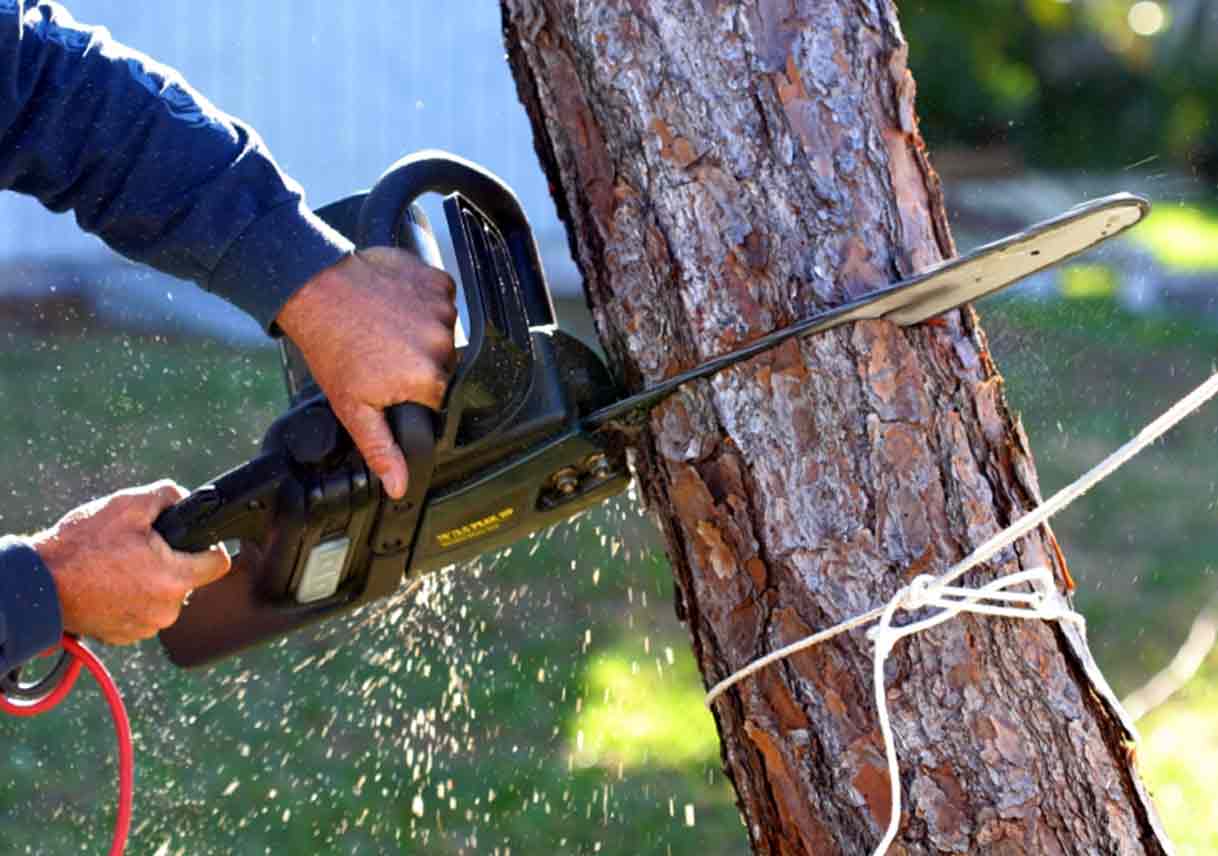
One weekend of serious garden work will generate more green waste than a council bin can swallow in a month. Green waste removal Sydney is therefore a genuine logistics problem: too much for the green lid, too messy for the boot of a car, and legally not something you can just tip down the back of a reserve. Here are all four realistic options, ranked by what they actually suit.
What Counts as Green Waste
Garden organics covers grass clippings, leaves, prunings, branches, tree trunks and stumps, weeds, palm fronds, bark and mulch. It does not include soil, rocks, turf with soil attached, treated or painted timber, pots, plastic ties, or building rubble. The moment your load contains treated pine or plastic, it stops being clean green waste and both the cost and the disposal pathway change.
Option One: Council Kerbside Green Bin
Almost every Sydney council provides a 240 litre green lid bin collected weekly or fortnightly. Most also offer larger 360 litre bins or a second bin for a modest annual fee, and many run booked kerbside clean-up services that accept bundled branches.
Best for: ongoing lawn and garden maintenance.
Worst for: one-off big jobs. Branch diameter limits are typically 100mm, everything must fit with the lid closed, and no amount of jumping on it changes the tonnage limit.
NSW is also progressively mandating food organics and garden organics collection statewide. The EPA outlines the FOGO mandate and rollout timeline, with household services required by 2030 and staged business requirements from July 2026, so what your green bin accepts is likely to expand.

Option Two: Skip Bin Hire
green waste removal cost skips are cheaper than mixed waste skips because the material is cleanly recyclable.
Indicative Sydney pricing:
- 2 cubic metre green waste skip: $200 to $320
- 3 cubic metre: $270 to $400
- 4 cubic metre: $330 to $480
- 6 cubic metre: $420 to $650
Standard hire is three to seven days. Best for staged DIY work where you fill over a weekend. Watch for council permits if the skip sits on the road rather than your driveway, and expect a contamination surcharge if anything non-organic goes in.
Option Three: On-Demand Green Waste Collection
A crew arrives with a tipper, loads by hand and takes it away. Typically $250 to $600 for a small load, $600 to $1,200 for a large one. You pay for labour, which is the point: nothing to load yourself, nothing sitting on your driveway for a week.
Best for: a single big clean-up, elderly or time-poor households, and rental property turnovers.
Option Four: Bundle It With the Tree Work
If you are already having tree work done, this is almost always the cheapest route. The crew has a chipper and a tipper on site. Chipping reduces branch volume by a factor of six to ten, so a mountain of prunings becomes a manageable load. Ask for green waste to be itemised in the quote rather than assumed.
The Legal Bit People Get Wrong
Green waste disposal is regulated, and the obligations sit on you as well as on the transporter. The NSW EPA guidance on disposing of garden organics waste is explicit on two points. First, loads must be covered in transit, with a $750 fine for uncovered loads, because spilled branches and mulch are a road hazard and wash into stormwater. Second, under section 143 of the Protection of the Environment Operations Act 1997, waste must be taken to a place that can lawfully accept it, and both the owner of the waste and the transporter are responsible for proving that happened.
Practical translation: if you pay a cheap operator who dumps your prunings in a reserve, you can be pursued too. Ask for the name of the receiving facility and keep the receipt.

Illegal Dumping and Bushland
Sydney bushland reserves are full of dumped garden waste, and it does real damage. Dumped clippings smother native groundcovers, add a nutrient load that favours weeds over natives, and are the primary vector for garden escapees like asparagus fern, trad, privet and lantana getting into bushland. Councils actively investigate dumping, fines are substantial, and the material is often traceable.
Cheaper Alternatives Worth Considering
Compost the soft material. Grass clippings, leaves and soft prunings compost readily and cut your green bin volume dramatically.
Chip and reuse. If you have a large property, a hired chipper turns prunings into mulch you would otherwise buy.
Mulch in place. Leaf litter under trees and shrubs is free mulch, and raking it into beds rather than binning it improves soil and reduces watering.
Community drop-off. Many Sydney councils run free or low-cost green waste drop-off days at their works depots or transfer stations. Check your council waste calendar before paying for a skip.
Choosing an Operator
Ask four questions: do you have a current ABN, what is your public liability cover, which licensed facility do you tip at, and is the price fixed or per tonne. Anyone who cannot answer the third question should not be loading your waste.
Bottom Line
Ongoing garden waste goes in the green bin. Staged DIY work suits a skip. A one-hit clean-up suits on-demand collection. And if a tree crew is already coming, bundle it. Whatever you choose, get the receiving facility named and keep the receipt.