
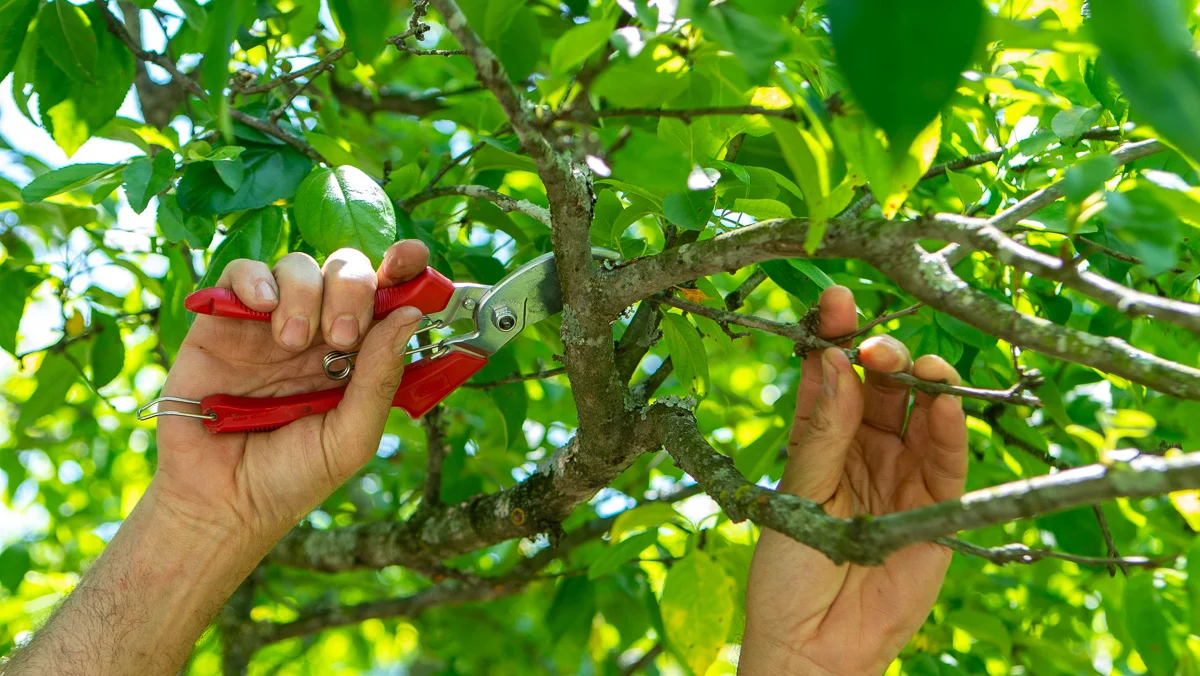
What does tree pruning typically cost in Sydney?
Tree pruning in Sydney is commonly priced by access, height, canopy size, risk level, and time on site. A small, easily accessed prune may sit in the low hundreds, while a large or high-risk prune can climb into the thousands. They should expect higher pricing when arborists must climb, rig limbs over structures, or use elevated work platforms.
What does tree removal typically cost in Sydney?
When comparing tree pruning costs, tree removal is often more expensive because it is a full dismantle rather than selective cutting. Pricing usually rises with height, trunk diameter, proximity to buildings, and whether traffic control or cranes are needed.
These factors can significantly impact overall tree pruning costs, and clients may also pay extra for stump grinding, green waste haulage, and making the site safe after removal.
Is it generally cheaper to prune or remove a tree?
Pruning is generally cheaper when the tree is healthy and the goal is clearance, shape, deadwood removal, or risk reduction. Removal can become cheaper in the long run when the tree needs heavy pruning repeatedly, has structural defects, or is damaging property. The real comparison is not one invoice versus another, but the total cost over several years.
When does pruning become more expensive than removal?
Pruning can become the pricier path when it turns into an ongoing maintenance cycle. If they are pruning aggressively every 6 to 18 months to control size, manage drop risk, or prevent roof and powerline conflict, cumulative costs add up. It also becomes expensive when pruning requires complex rigging each time because the tree sits over a pool, roof, neighbour’s yard, or a tight driveway.
What factors push pruning or removal costs up in Sydney?
Access is the biggest cost driver for both jobs. If trucks cannot get close, if there are stairs, steep blocks, or narrow side paths, labour time increases fast. Height and canopy spread matter, but so does what sits underneath: fences, gardens, glass, pergolas, and powerlines increase risk and slow down work.
Council rules can also affect price. Some trees require approvals before major pruning or removal, and delays can add administrative time.
How do they decide if pruning is the smarter option?
Pruning is usually the smarter option when the tree is structurally sound, has a good future life expectancy, and only needs targeted work. That might include removing deadwood, lifting the canopy for clearance, reducing weight on a long limb, or thinning for wind movement. A qualified arborist can confirm whether pruning will actually reduce risk or simply postpone an inevitable removal.
How do they decide if removal is the smarter option?
Removal is usually the smarter option when the tree is dead, declining, severely storm damaged, or structurally compromised. It is also often the better call when roots are lifting paving, cracking retaining walls, or interfering with drainage and services. If the tree is a known hazard species on a risky lean, or it sits in a spot where pruning will never solve clearance issues, removal avoids repeated spend.
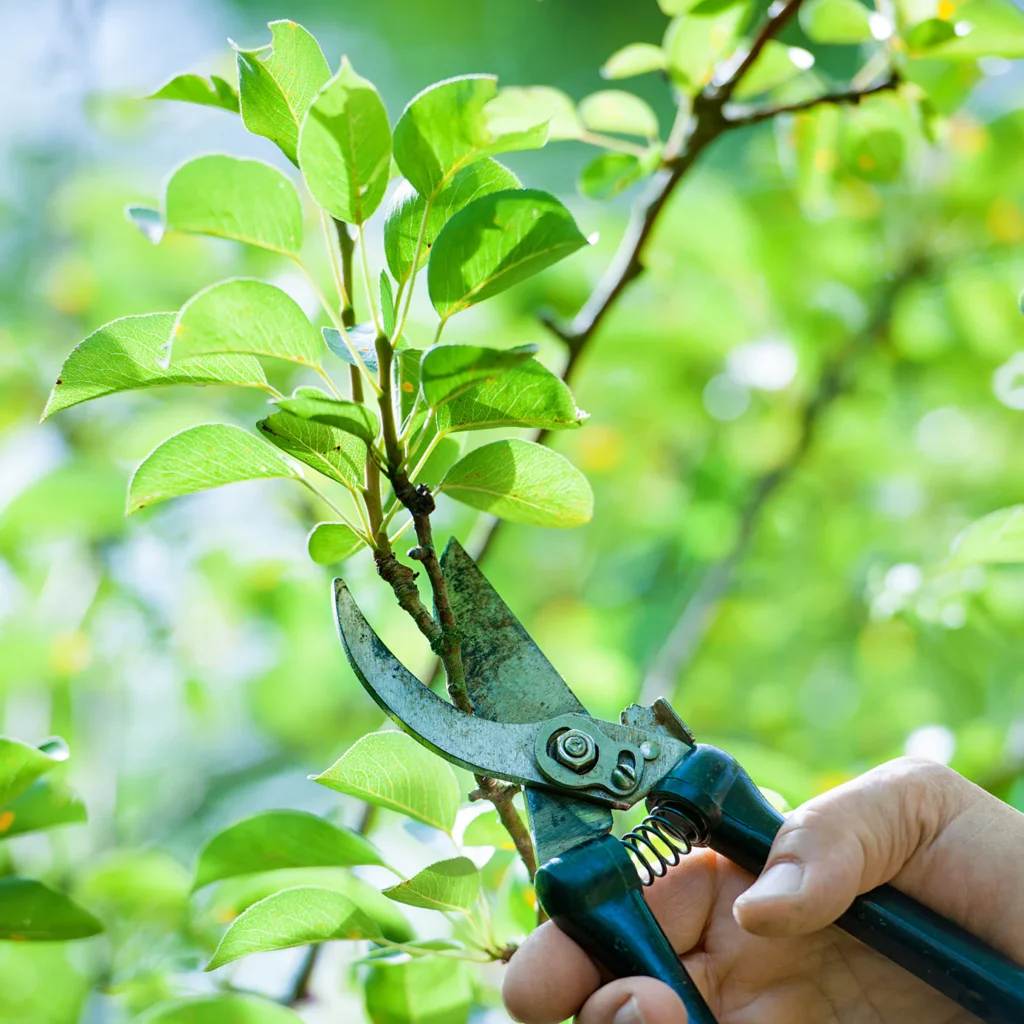
Can heavy pruning create problems that make removal unavoidable later?
Yes, it can. Over-pruning can stress a tree, trigger weak epicormic regrowth, and make future limb failures more likely. Poor cuts can invite decay, especially on large-diameter limbs, and that decay can spread into the main structure. If they are choosing between a correct, moderate prune and an aggressive “lopping,” the aggressive option can shorten the tree’s life and lead to an earlier removal bill.
What is included in a pruning or removal quote in Sydney?
A good quote should clearly state the scope of work and what happens to the waste. For pruning, that includes the pruning type, any reduction percentages, clearance targets, and whether deadwood removal is included. For removal, it should specify whether the price includes cutting the trunk low, stump grinding, green waste removal, and cleaning up.
They should also check insurance and qualifications. Reputable operators will carry public liability insurance and use trained climbers and ground crew.
How can they reduce tree pruning cost in Sydney without cutting corners?
They can reduce costs by improving access, consolidating multiple trees into one visit, and scheduling outside peak storm-recovery periods when demand spikes. They can also ask for options, such as pruning to manage risk now with a plan for staged work later, rather than paying for the most complex approach immediately. What they should not do is choose unsafe pruning, unqualified operators, or illegal tree work, because that can lead to property damage, fines, or higher costs later. To better understand what is actually assessed during a professional inspection, it helps to review how a tree inspection in Chatswood is conducted and what arborists typically check, including structural stability, health conditions, and potential safety risks.
So, is it cheaper to prune or remove a tree in Sydney?
Pruning is usually cheaper when a tree is healthy and only needs targeted risk reduction or clearance. Removal can be cheaper overall when the tree is unsafe, repeatedly problematic, or likely to require frequent, expensive pruning. The practical move is to have an arborist assess structure, risk, and expected maintenance cycles, then compare not just today’s quote but the likely total cost over the next few years.
FAQs (Frequently Asked Questions)
What factors influence the cost of tree pruning in Sydney?
Tree pruning costs in Sydney depend on access, tree height, canopy size, risk level, and time spent on site. Small, easily accessible pruning jobs may cost a few hundred dollars, while large or high-risk prunes can reach into the thousands. Additional costs arise when arborists must climb, rig limbs over structures, or use elevated work platforms.
Why is tree removal generally more expensive than pruning in Sydney?
Tree removal is typically pricier because it involves full dismantling rather than selective cutting. Costs increase with tree height, trunk diameter, proximity to buildings, and requirements like traffic control or cranes. Extra fees may apply for stump grinding, green waste haulage, and site cleanup after removal.
When is pruning a more cost-effective option compared to tree removal?
Pruning is usually more affordable when the tree is healthy and requires clearance, shaping, deadwood removal, or risk reduction. It becomes the smarter choice if the tree is structurally sound with good life expectancy and only needs targeted work like canopy lifting or thinning for wind movement.
Under what circumstances can pruning become more expensive than removing a tree?
Pruning turns costly when it becomes an ongoing maintenance cycle requiring aggressive cuts every 6 to 18 months to control size or manage risks. Complex rigging due to challenging locations—such as over pools, roofs, or tight driveways—also raises pruning expenses significantly.
How do access and surrounding features impact tree pruning and removal costs in Sydney?
Access difficulties like narrow paths, stairs, steep blocks, or inability for trucks to get close increase labor time and costs. Additionally, nearby fences, gardens, glass structures, pergolas, and powerlines raise risk levels and slow down work for both pruning and removal jobs.
Can heavy or improper pruning lead to earlier tree removal?
Yes. Over-pruning stresses trees and can cause weak epicormic regrowth that increases limb failure risk. Poor cuts invite decay in large limbs which may spread to the main structure. Aggressive ‘lopping’ shortens a tree’s life expectancy and often results in earlier costly removal.