
What’s the difference between tree cutting and full tree removal?
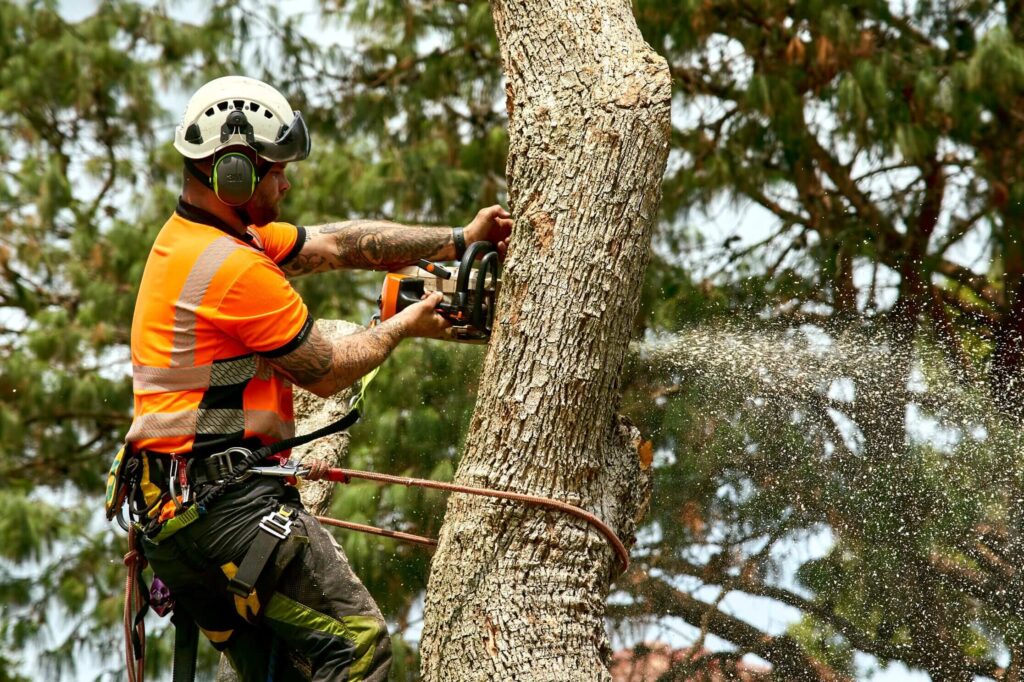
Tree cutting usually means targeted work such as crown reduction, thinning, deadwood removal, pollarding, or removing specific limbs. The trunk and root system remain in place.
Full tree removal is felling the entire tree and typically grinding or removing the stump. It is a permanent solution, but it removes shade, habitat, screening, and future canopy value.
When is tree cutting the better option for safety?
Tree cutting is often better when the risk is localised, such as a dead limb over a path or a long lateral branch with poor attachment. Removing the specific hazard can restore an acceptable safety margin without losing the whole tree.
It is also suitable when a tree has minor storm damage but a sound main stem and stable root plate. In those cases, corrective pruning and weight reduction can reduce sail effect and future failure risk.
When does tree cutting make more sense for the tree’s long-term health?
Cutting is the better route when the tree is fundamentally healthy and the issue is manageably structural. Examples include removing crossing branches, improving clearance, or reducing a heavy crown that is stressing weak unions.
Good pruning can improve light and airflow through the canopy, reduce rubbing wounds, and slow the spread of some pests and diseases. Poor cutting, though, can create decay points, so method and timing matter.
When is tree cutting the best choice for neighbouring properties and boundaries?
Where branches overhang a roof, guttering, driveway, or neighbouring garden, selective cutting is usually the most proportionate fix. They can reduce debris, improve clearance, and limit shading without changing the entire landscape.
It is also often preferred in tight spaces where felling would be disruptive, risky, or expensive. Carefully staged dismantling of sections can control risk, but it still preserves the tree if only targeted limbs are removed.
When should they choose tree cutting to protect wildlife and local character?
Keeping a mature tree often has a bigger ecological payoff than planting a replacement. Cutting can retain nesting habitat, food sources, and canopy connectivity while dealing with a specific hazard.
In areas with strong landscape character, retaining established trees can also protect privacy and reduce street noise. Where possible, cutting that preserves the tree’s natural form is usually better than drastic lopping that triggers weak regrowth.
When is full tree removal clearly the better option?
Removal is usually the better option when the tree is dead, structurally unsound, or declining with no realistic prospect of recovery. If the main stem is compromised by extensive decay, severe cavities, or repeated major limb failures, cutting can become a short-term patch.
It can also be the right call where roots are causing serious damage to foundations, drains, or retaining walls, and engineering solutions are not viable. Similarly, if a tree is dangerously leaning due to root plate movement, removal is often the safest outcome.
How do legal restrictions affect whether cutting is better than removal?
Legal protections can make removal difficult or prohibited. Trees may be covered by a Tree Preservation Order (TPO) or sit within a Conservation Area, which can require permission even for pruning.
In those situations, cutting may be the only lawful, proportionate option, especially where the work is limited to deadwooding, minor reductions, or safety-related pruning. They should always check with the local council before any work begins.
What types of cutting commonly avoid the need for removal?
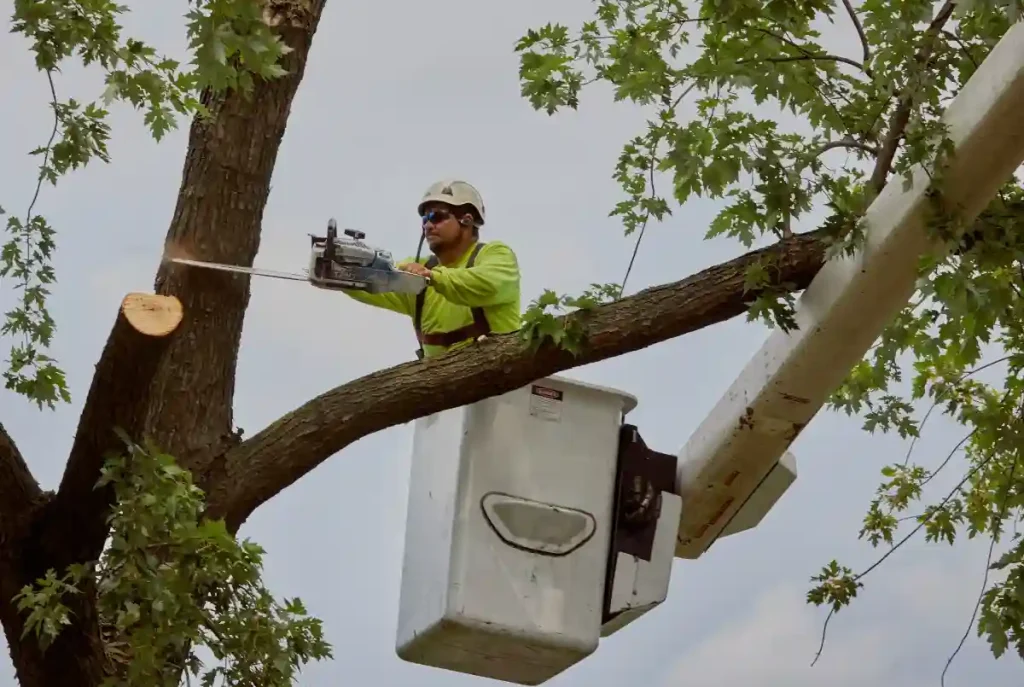
Crown reduction is often used to lower height and spread, reducing leverage and wind loading while keeping the tree. Crown thinning reduces density and can help with light levels, though it should not be used as a substitute for reducing end weight on long limbs.
Deadwooding is a straightforward safety measure for mature trees. Crown lifting improves clearance over roads and footpaths. In some cases, cable bracing paired with selective cutting can manage weak unions without removing the tree. You may like to visit https://womenscentreyorkregion.com/tree-services-standard-job-scope/ to check out more about Tree Services: What’s Included In A Standard Job Scope.
What are the risks of choosing cutting when removal is needed?
The biggest risk is false reassurance. Cutting can temporarily reduce symptoms while the underlying issue worsens, especially with significant decay, root problems, or aggressive pathogens.
Over-pruning is another risk. Heavy topping or severe reductions can trigger dense, weakly attached regrowth and accelerate decline. If repeated hard cutting is expected every few years, removal and replacement may be cheaper and safer long term.
How can they decide which option is better in practice?
They should start with a clear definition of the problem: safety, light, clearance, subsidence concerns, or future maintenance costs. Then they should assess the tree’s condition, species, and location, ideally through a qualified arborist.
A practical rule is this: if a targeted cut can remove the risk or nuisance while preserving sound structure, cutting is usually better. If the tree’s main structure or roots are compromised, or the required pruning would be excessive, full removal is usually the better choice.
FAQs (Frequently Asked Questions)
What is the difference between tree cutting and full tree removal?
Tree cutting involves targeted work such as crown reduction, thinning, deadwood removal, pollarding, or removing specific limbs while leaving the trunk and root system intact. Full tree removal means felling the entire tree and usually grinding or removing the stump, which permanently eliminates shade, habitat, screening, and future canopy value.
When is selective tree cutting a better safety option than full removal?
Selective tree cutting is preferable when the risk is localised, such as a dead limb over a pathway or a poorly attached lateral branch. It allows removal of specific hazards to restore safety margins without losing the entire tree. It’s also suitable for minor storm damage where the main stem and root plate remain sound.
How does tree cutting benefit a tree’s long-term health compared to removal?
When a tree is fundamentally healthy but has manageable structural issues like crossing branches or heavy crowns stressing weak unions, good pruning improves light penetration and airflow, reduces rubbing wounds, and can slow pest and disease spread. Properly timed and methodical cutting preserves tree health better than full removal.
Why might tree cutting be preferred over removal near neighbouring properties or boundaries?
Selective cutting addresses overhanging branches that affect roofs, gutters, driveways, or neighbouring gardens by reducing debris and improving clearance without altering the entire landscape. In tight spaces where felling is risky or disruptive, staged dismantling of sections preserves the tree while managing hazards.
When should full tree removal be chosen instead of cutting?
Full removal is advisable when a tree is dead, structurally unsound with extensive decay or cavities, declining beyond recovery, causing serious root damage to structures without viable engineering solutions, or dangerously leaning due to root plate movement. In such cases, cutting offers only short-term fixes.
How do legal restrictions influence the choice between tree cutting and removal?
Legal protections like Tree Preservation Orders (TPOs) or Conservation Area designations often prohibit or restrict full removal. In these cases, permission may be required even for pruning work. Consequently, selective cutting focused on deadwooding or safety-related pruning may be the only lawful and proportionate option. Always consult local councils before undertaking any work.