
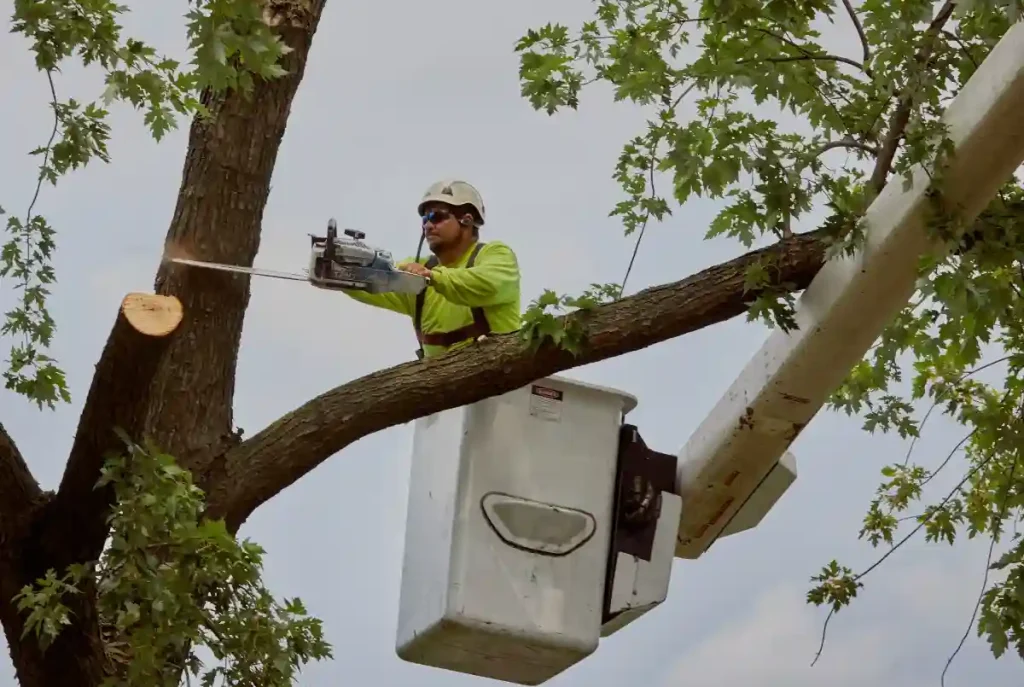
Tree inspections are often requested after storms, before construction, when a tree shows decline, or as part of routine property maintenance. The goal is simple: reduce risk and keep the tree healthy where practical.
What information do they gather before they even touch the tree?
For tree removal Chatswood, professionals usually start with context: the tree species, approximate age, and how long it has been on the site. They may ask about recent pruning, storm damage, soil changes, trenching, or new landscaping.
They also note the site conditions relevant to tree removal Chatswood, including slope, drainage, exposure to wind, and whether the area has been compacted by vehicles or foot traffic. This background often explains why symptoms are showing up now.
What do they check in the canopy and branches?
They scan the canopy for deadwood, broken limbs, and weak attachments where branches meet the trunk. They assess branch spacing, weight distribution, and whether any limbs are overextended.
They also look for signs of stress such as sparse foliage, small leaves, early leaf drop, or dieback at the tips. Where visibility is limited, they may inspect from multiple angles to confirm whether defects are isolated or widespread.
How do they assess the trunk for defects and decay?
They examine the trunk for cracks, splits, cavities, bulges, and areas of missing bark. They also look for old wounds from impacts, poor pruning cuts, or past storm events that may have started internal decay.
Fungal growth, soft spots, and hollows can indicate compromised wood strength. If the trunk shows multiple indicators of decay, they focus on how much sound wood remains and whether the defect affects the tree’s stability.
What do they look for at the base and root zone?
They check the root flare to confirm the base is visible and not buried by soil or mulch. A buried root collar can lead to rot, pests, and long-term decline.
They also look for buttress root damage, soil heaving, and new cracks in the ground, which can suggest movement. In built-up areas, they assess whether roots have been cut by paving, retaining walls, or recent excavation.
How do they judge whether the tree is stable and likely to fail?
They consider the tree’s overall structure, lean, and balance, then compare it with wind exposure and nearby targets like homes, footpaths, and driveways. A lean alone is not always a problem, but sudden lean changes can be.
They also assess load and leverage, especially where heavy limbs extend over structures. If risk is elevated, they recommend options to reduce the likelihood or consequences of failure. Click here to learn more about tree pruning cost Sydney: is it cheaper to prune or remove a tree?
What signs of pests and disease do they check for?
They inspect leaves, bark, and branching patterns for symptoms such as discoloration, spotting, curling, oozing, or abnormal growth. They may note insect activity, exit holes, frass, or webbing.
They also look for fungal indicators like brackets, mushrooms, or staining around the base. When symptoms are unclear, they may recommend monitoring, lab testing, or targeted treatment based on the most likely cause.
How do they evaluate pruning history and current growth patterns?
They look for poor past cuts, topping, lions-tailing, or excessive canopy removal, since these can trigger weak regrowth and increase failure risk. They assess whether previous pruning has created imbalanced weight or multiple competing leaders.
They also check for epicormic shoots that often appear after stress or heavy pruning. Growth patterns help them decide whether corrective pruning can restore structure or whether decline is likely to continue.
What do they assess around buildings, fences, and powerlines?
They measure clearance and identify rubbing branches, close contact with roofs, and potential gutter blockage. They also check whether roots may be affecting paving, retaining walls, or drainage lines, while noting that not all cracking is caused by trees.
If powerlines are involved, they factor in legal safety requirements and may advise using an authorised utility vegetation contractor. They focus on practical risk reduction without unnecessary removal.

What recommendations do they usually provide after the inspection?
They typically provide a clear action plan such as deadwood removal, selective pruning, canopy reduction, cable bracing where appropriate, pest management, soil improvement, or monitoring intervals. If the tree is unsafe, they may recommend removal, especially where defects are severe and targets are high value.
They may also advise on watering, mulching, and protecting the root zone from compaction. Recommendations are usually prioritised so the most urgent hazards are handled first.
What should they document in an inspection report?
They usually record the tree’s location, species, size, observed defects, and a risk-based rationale for recommendations. Photos are commonly included to support findings, especially for cracks, fungal bodies, or root-zone issues.
When needed for compliance or disputes, they may reference relevant standards and provide a formal arborist report. Good documentation helps property owners act confidently and demonstrates due diligence.
FAQs (Frequently Asked Questions)
What does a qualified Arborist Chatswood inspect during a tree assessment?
A qualified Arborist Chatswood inspects trees to identify safety risks, diagnose health issues, and determine necessary care. They examine tree structure, stability, presence of pests and diseases, and interactions with nearby buildings, fences, and powerlines to ensure comprehensive evaluation beyond obvious problems.
When is it advisable to request a professional tree inspection in Chatswood?
Tree inspections are recommended after storms, prior to construction activities, when a tree shows signs of decline, or as part of routine property maintenance. These inspections aim to reduce risk and maintain tree health wherever practical.
How does an Arborist evaluate the health and stability of a tree’s canopy and branches?
They scan the canopy for deadwood, broken limbs, weak attachments, branch spacing, weight distribution, and overextended limbs. Signs of stress such as sparse foliage, small leaves, early leaf drop, or dieback at tips are assessed from multiple angles to determine if defects are isolated or widespread.
What methods are used by Arborists to assess trunk defects and decay?
Arborists examine the trunk for cracks, splits, cavities, bulges, missing bark areas, old wounds from impacts or poor pruning cuts. They look for fungal growths, soft spots, hollows indicating compromised wood strength. The extent of sound wood remaining and impact on stability are evaluated if multiple decay indicators exist.
How do Arborists assess root zone conditions and their impact on tree health?
They check the root flare visibility ensuring it’s not buried by soil or mulch which can cause rot and decline. They inspect for buttress root damage, soil heaving, ground cracks suggesting movement. In urban areas they evaluate root cutting from paving or excavation that may affect tree stability.
What recommendations might an Arborist provide following a comprehensive tree inspection?
Recommendations often include deadwood removal, selective pruning or canopy reduction, cable bracing where appropriate, pest management strategies, soil improvement measures, or monitoring schedules. If the tree poses significant risks due to severe defects near high-value targets, removal may be advised. Additionally advice on watering, mulching and protecting roots from compaction is common.