
This guide explains which parts of Sydney tend to be higher risk and why, so homeowners can judge their exposure and act early.
Which Sydney suburbs are most at risk of termites?
The highest-risk pockets for termite Sydney activity are usually those close to bushland, creeks, the Hawkesbury and Nepean river corridors, and suburbs with older timber homes and damp subfloors. In practice, “hotspots” commonly include parts of the Northern Beaches, North Shore, Hills District, Inner West, Sutherland Shire, and the Hawkesbury and Blue Mountains fringe.
Risk for termite Sydney infestations can vary street by street, so it is best to treat these as patterns rather than guarantees.
Why do bushland-adjacent suburbs see more termite activity?
Bushland creates the perfect termite “runway”: constant organic matter, sheltered nesting sites, and stable humidity. Suburbs bordering national parks, reserves, and green corridors often have more natural timber debris and undisturbed soil where colonies can thrive.
When homes sit close to these edges, termites have shorter distances to travel to reach structural timbers, fences, decks, and garden sleepers.
Why do the Northern Beaches and North Shore often feel like hotspots?
Many homes in the Northern Beaches and North Shore sit near gullies, reserves, and dense tree cover, which can hold moisture and reduce sunlight at ground level. Moisture is a major driver because termites dehydrate easily and prefer protected, humid routes.
Older homes with subfloor ventilation issues, leaking drainage, or gardens built up against walls can unintentionally create ideal conditions.
Why can the Inner West and older suburbs be vulnerable?
Older suburbs often have more timber-framed features, extensions built over time, and legacy issues such as ageing plumbing or poorly drained gardens. Renovations can also hide warning signs if subfloors become harder to inspect.
Where there are terraces or closely spaced homes, shared fences, garden beds, and attached structures can create continuous termite pathways across property lines.
Why do the Hills District and north-west growth areas still face termite risk?
Newer suburbs are not automatically safer. Many north-west areas have active landscaping, new retaining walls, fresh turf, irrigation systems, and timber features that keep soil damp and food sources readily available.
If builders or owners miss small details, such as maintaining visual inspection zones around slabs or keeping weep holes clear, termites can exploit those weak points quickly.
Why do river and creek corridors increase termite pressure?
Areas near creeks, wetlands, and rivers tend to have higher soil moisture and denser vegetation. That moisture supports termite foraging and encourages colonies to expand.
Parts of Western Sydney and the Hawkesbury-Nepean catchment can see this effect, especially where homes back onto waterways, floodplains, or vegetated drainage lines.
Why does moisture matter more than almost anything else?
Termites need moisture to survive, and most severe infestations are linked to hidden damp. Common triggers include leaking showers, broken stormwater lines, air-conditioning condensation, poor subfloor ventilation, and garden beds holding water against walls.
When moisture is constant, termites can build mud leads and feed without needing to surface, which delays detection and increases repair costs. Check out more about ventilation and airtightness.
What household features make a property more attractive to termites?
Certain features repeatedly show up in termite-prone properties. The biggest culprits are timber-to-soil contact and concealed access points.
Typical examples include timber decking posts set into soil, sleepers used as retaining walls, stored timber under the house, dense gardens covering slab edges, and external cladding or steps that bridge inspection gaps. Even a single untreated stump or old tree root can act as a food source close to the home.
How can owners tell if they are in a higher-risk pocket?
They should look at the immediate environment first: bushland within a short walk, shaded gardens that stay damp, heavy mulch, and nearby creeks are all clues. Property style matters too, especially older homes with subfloors, extensions, or hard-to-access voids.
If neighbouring homes have had termite work, that is also a practical signal that colonies may be active locally.
What practical steps reduce termite risk in Sydney suburbs?
The fastest wins are moisture control and keeping inspection zones clear. They should fix plumbing leaks quickly, ensure stormwater drains away from the house, and avoid building garden beds up against external walls.
They should also keep weep holes visible, reduce timber-to-soil contact, store firewood well away from the home, and consider replacing untreated sleepers with termite-resistant alternatives. Regular professional inspections remain the most reliable way to catch activity early.
How often should Sydney homes be inspected for termites?
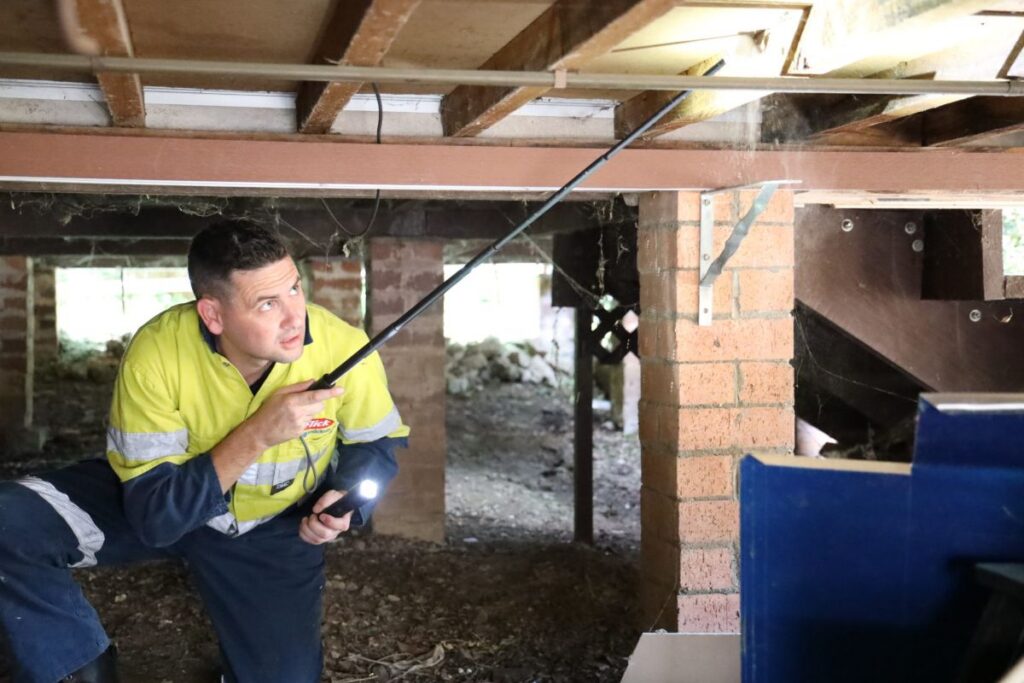
In higher-risk areas, many owners arrange inspections at least annually, and sooner if there have been heavy rains, renovations, or persistent moisture issues. The right schedule depends on construction type, environment, and previous activity.
Even with barriers or baiting systems in place, inspections still matter because no system replaces ongoing monitoring.
Which suburbs should be on a “watch closely” list?
A sensible watch list includes bushland-edge and water-adjacent pockets across the Northern Beaches, North Shore, Inner West, Hills District, Sutherland Shire, and the Hawkesbury-Nepean corridor. The key point is that termites follow conditions, not postcodes.
When moisture, cover, and timber access line up, any Sydney suburb can become a hotspot.
FAQs (Frequently Asked Questions)
Which Sydney suburbs are most at risk of termite infestations?
Termite risk is highest in Sydney suburbs close to bushland, creeks, river corridors like the Hawkesbury and Nepean, and areas with older timber homes and damp subfloors. Common hotspots include parts of the Northern Beaches, North Shore, Hills District, Inner West, Sutherland Shire, and the fringes of the Hawkesbury and Blue Mountains.
Why do suburbs adjacent to bushland experience more termite activity?
Bushland provides ideal conditions for termites with constant organic matter, sheltered nesting sites, and stable humidity. Homes near national parks, reserves, or green corridors have shorter distances for termites to travel from natural timber debris and undisturbed soil to structural timbers, fences, decks, and garden sleepers.
How does moisture influence termite problems in Sydney homes?
Moisture is critical for termite survival as they dehydrate easily. Hidden dampness from leaking plumbing, poor subfloor ventilation, or garden beds against walls creates protected humid environments where termites can build mud leads and feed without surfacing. This delays detection and increases repair costs significantly.
What household features increase a property’s attractiveness to termites?
Features such as timber-to-soil contact (e.g., decking posts set into soil), concealed access points, stored timber under houses, dense gardens covering slab edges, external cladding bridging inspection gaps, untreated stumps or old tree roots near the home all provide easy food sources and pathways for termites.
How can homeowners identify if their property is in a higher-risk termite pocket?
Homeowners should assess their immediate environment for nearby bushland within walking distance, shaded damp gardens, heavy mulch layers, proximity to creeks or waterways. Older homes with subfloors or extensions and neighbours with recent termite treatments also indicate elevated risk locally.
What practical steps can Sydney homeowners take to reduce termite risk effectively?
Key measures include controlling moisture by fixing leaks promptly and ensuring stormwater drains away from the house; keeping inspection zones clear by avoiding garden beds against walls; maintaining visible weep holes; reducing timber-to-soil contact; storing firewood away from the home; replacing untreated sleepers with termite-resistant materials; and scheduling regular professional inspections for early detection.