
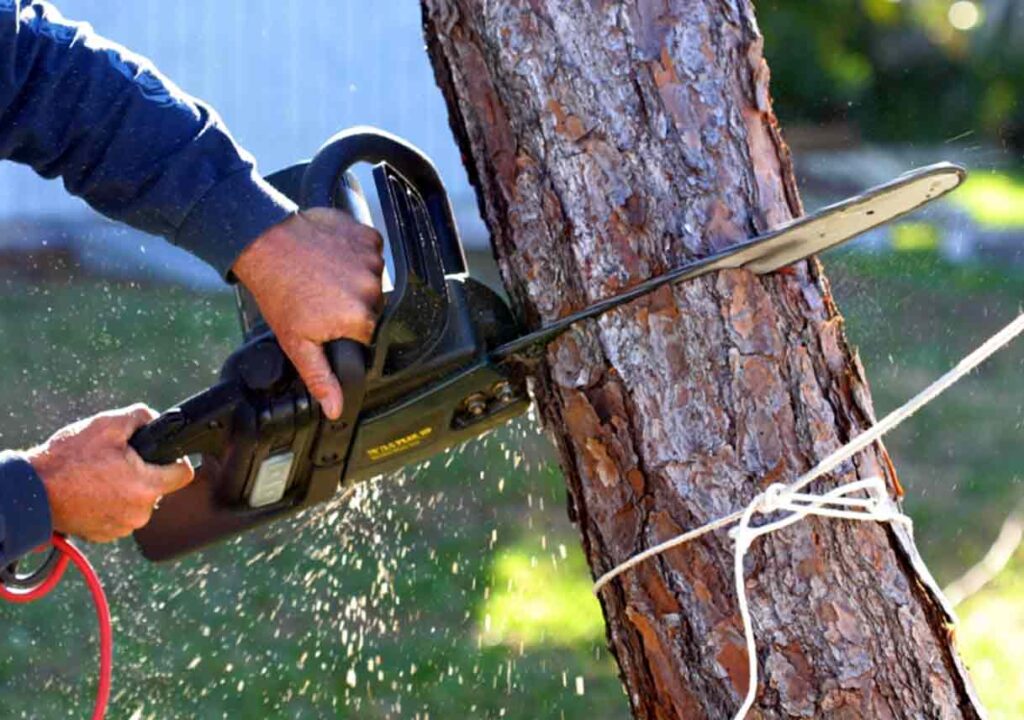
Whether you are tackling a massive spring overhaul or facing the aftermath of an Australian summer storm, managing garden debris effectively is a logistical challenge. From the towering gum tree branches to the dense piles of lawn clippings, understanding how to dispose of organic material efficiently can save you hundreds of dollars and hours of back-breaking labor.
In this comprehensive guide, we explore the nuances of green waste management in Australia. We will cover strategic ways to minimize disposal costs, the safety protocols required for emergency storm debris removal, and the technical side of estimating waste weight to ensure your skip bin quotes remain accurate and affordable.
See more: Tree Removal Services Performed by Experts
What is Green Waste? Understanding Organic Disposal
Green waste, often referred to as biological waste, consists of any garden or park waste that is 100% biodegradable. In the Australian context, this typically includes grass clippings, leaves, weeds, small branches, and larger tree loppings.
Unlike general waste, green waste is diverted from landfills to composting facilities where it is processed into high-quality mulch and soil conditioners. This circular economy approach not only benefits the environment but also provides a cheaper disposal route for homeowners compared to mixed heavy waste.
Spring Cleaning Your Backyard? 5 Tips to Minimize Green Waste Costs
Spring is the peak season for garden renovations in Australia. However, a beautiful backyard shouldn’t come with a staggering disposal bill. Here are five strategic tips to keep your costs down.
1. Process On-Site with a Woodchipper
Before hiring a skip bin, consider if the waste can stay on your property. Renting a woodchipper for a day can turn a massive pile of branches into a neat heap of mulch. This eliminates transport costs and provides free moisture-retaining cover for your garden beds.
2. Optimize Volume Through “Air Gap” Reduction
When loading green waste into a bin or trailer, air gaps are your enemy. You are paying for the volume of the container.
- Cut branches into smaller lengths: Long, curved branches create “bridges” that leave the bottom of the bin empty.
- Layering: Place heavy logs at the bottom and finer clippings on top to compress the load naturally.
3. Separate Your Waste Streams
Mixing green waste with “General Waste” (like old outdoor furniture or plastic pots) is a common mistake. Most Australian skip bin providers offer a discounted rate specifically for 100% Green Waste. If you keep the load “clean,” you can save up to 30% compared to a mixed-waste bin.
4. Utilize Local Council Green Bins First
It sounds simple, but many homeowners overlook their local council’s FOGO (Food Organics and Garden Organics) bin. Maximize these weekly or fortnightly pickups for smaller debris and save the skip bin for the heavy trunks and stumps.
5. Shared Bin Hire with Neighbors
Often, a spring cleanup is a neighborhood-wide event. A 10-cubic-metre bin is significantly cheaper per cubic metre than two 4-cubic-metre bins. Splitting the cost of a large bin with a neighbor can drastically reduce individual expenses.
Emergency Storm Debris Removal: How to Safely Clear Fallen Trees and Branches
Australia’s storm seasons can leave backyards in a state of chaos. Unlike a planned cleanup, emergency removal requires a focus on safety and structural integrity.
Assessing Post-Storm Hazards
Before touching a single branch, conduct a site survey.
- Power Lines: Never attempt to clear debris near downed power lines. Contact your local energy provider immediately.
- “Widow Makers”: Look up. Broken branches hanging precariously in the canopy can fall at any moment.
- Tension and Compression: When a tree falls, branches may be under immense pressure. Cutting the wrong “spring pole” can cause a branch to snap back with lethal force.
Step-by-Step Emergency Cleanup Process
- Clear Access Paths: Focus first on clearing paths to the house and driveway.
- Stabilize Leaners: If a tree is leaning against a structure, do not attempt to move it yourself. Call a professional arborist.
- Segment and Pile: Cut fallen debris into manageable 1.5-metre lengths. This makes it easier to load into a skip or haul to the curb.
- Check for Wildlife: Storm-damaged trees often house displaced local wildlife (possums, birds). Check hollows before mulching.
Is My Garden Waste Too Heavy? How to Estimate Weight for Skip Bin Quotes
One of the biggest friction points in waste management is the “overweight” fee. Skip bins have weight limits for road safety and hydraulic lifting capacities. If you are disposing of heavy logs, palm trunks, or soil-heavy root balls, you need to estimate weight accurately.
Weight Estimation by Material Type
Not all green waste is created equal. The density of the material dictates the total weight.
The “Squeeze Test” for Moisture
Freshly cut “green” wood is significantly heavier than “dead” wood because of water content. A freshly fallen Eucalyptus branch can be 50% water by weight. If your debris has been sitting in the sun for two weeks, it will be much lighter and cheaper to transport.
Calculation Framework
To estimate your needs, use the following formula:
$$Total Weight \approx Volume (m^3) \times Material Density (kg/m^3)$$
If you have a pile of mixed branches roughly the size of a standard garden shed ($3m \times 3m \times 2m = 18m^3$), and it’s loosely packed, you are looking at approximately 5 to 7 tonnes of material.
Best Practices for Efficient Garden Waste Management
To ensure your garden cleanup is indexed by “success” rather than “stress,” follow these professional standards:
- Check for Pests: Before piling green waste near your home, be aware that damp wood attracts termites. Keep piles away from the house foundations.
- Know Your Local Regulations: Some Australian LGAs (Local Government Areas) have strict rules against burning green waste. Always check council bylaws before considering a bonfire.
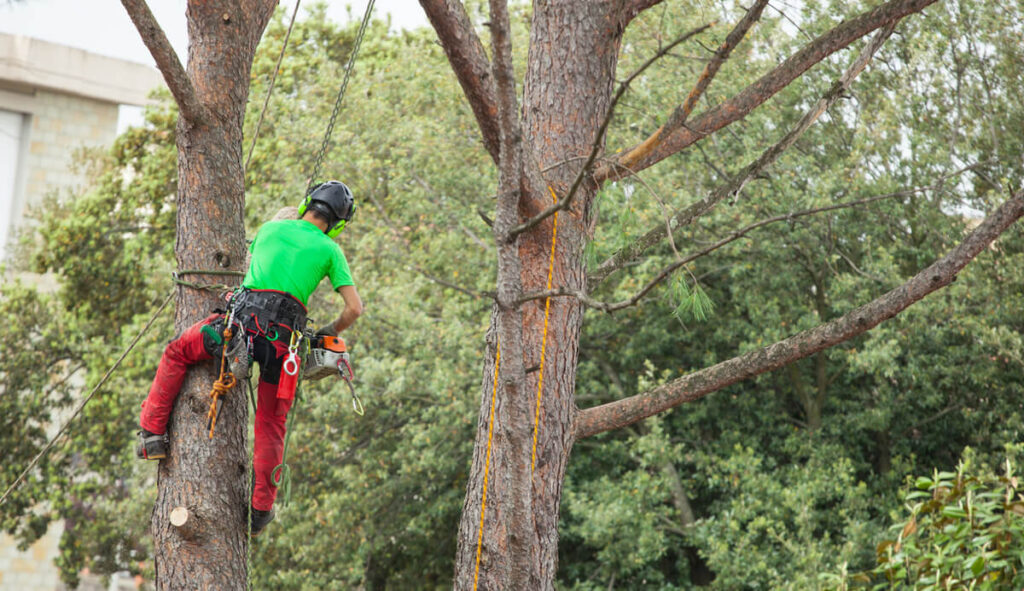
- Use Professionals for Heights: If the work requires a ladder and a chainsaw, the risk-to-reward ratio shifts. Hiring a qualified arborist ensures the job is done safely and includes the removal of debris.
Common Mistakes to Avoid
- Overfilling Skip Bins: Never fill above the rim. Drivers can be fined for unsecured loads, and they will leave the excess on your driveway.
- Including Prohibited Items: Avoid putting treated pine (CCA), stumps larger than 30cm in diameter (unless specified), or plastic bags in green waste bins.
- Ignoring Weight Limits: Assuming a “Green Waste” bin has no weight limit is a costly error. Always disclose if you are disposing of heavy trunks or palm hearts.
Frequently Asked Questions
1. What is the cheapest way to dispose of green waste in Australia?
The most cost-effective method is usually a combination of using your council FOGO bin and composting on-site. For large volumes, a dedicated “Green Waste Only” skip bin is cheaper than a general waste bin.
2. Can I put palm fronds and trunks in a green waste bin?
Most providers accept palm fronds, but many exclude palm trunks or “hearts” because their fibrous nature makes them difficult to mulch. Always clarify this with your provider before booking.
3. How do I calculate the cubic meterage of my garden waste pile?
Measure the length, width, and height of your pile in metres. Multiply them together ($L \times W \times H$). If the pile is cone-shaped, multiply the result by 0.33 for a more accurate estimate.
4. Does rain make green waste more expensive to remove?
Yes. Organic matter is porous. A heavy downpour can double the weight of leaf litter and grass clippings, leading to potential overweight charges if your skip bin is charged by the tonne.
5. Why is my garden waste too heavy for a standard skip?
If you have included soil, turf, or large stumps, the density increases significantly. Standard “light” green waste bins are not designed for the weight of earth or heavy hardwood trunks.
Conclusion: Mastering Your Garden Cleanup
Efficiently managing green waste is a balance of volume reduction, material separation, and accurate weight estimation. By processing material on-site, understanding the weight of different organic materials, and following safety protocols during storm recovery, you can maintain a pristine backyard without unnecessary expenditure.
Whether you’re prepping for a lush spring growth or clearing the wreckage of a storm, the key is to plan your disposal strategy before the first branch is cut.
Next Step: Would you like me to create a customized checklist for your specific council’s green waste regulations or help you compare skip bin sizes for your upcoming project?
Internal Linking & Authority Suggestions
- Internal Link Suggestion: “Check out our guide on [Topical Anchor: Eco-friendly backyard composting techniques] to reduce your waste footprint.”
- Internal Link Suggestion: “Compare [Topical Anchor: Skip bin size dimensions] to find the perfect fit for your garden debris.”
- External Reference 1: Refer to the Australian Department of Climate Change, Energy, the Environment and Water for national waste reporting standards.
- External Reference 2: Consult Sustainability Victoria or your state’s equivalent for localized composting and organic recycling guidelines.